The Hidden Cost of Running Your Business on Spreadsheets
Spreadsheets feel free until you calculate the hours lost, the mistakes made, and the opportunities missed. Here is when it is time to make the switch — and what to expect.
Spreadsheets feel free. They are already open on your screen, they are flexible, and every member of your team already knows how to use them. For a brand-new business with a handful of transactions and one person doing everything, they are perfectly adequate.
But there is a point — and most growing businesses reach it without realising — where the spreadsheet stops being a useful tool and becomes the single biggest bottleneck in the operation.
The Real Costs of Running on Spreadsheets
The obvious cost of spreadsheets is zero. The actual cost is significant, and most of it is invisible until you stop and add it up.
1. Time that compounds every single week
Updating the inventory spreadsheet. Reconciling the sales data with the bank statement. Copying figures from the invoicing sheet into the accounting workbook. Cross-referencing last month's purchases to make this month's stocking decisions. None of these tasks feel like much individually. But businesses running on spreadsheets typically spend eight to fifteen hours every week on data entry and reconciliation that a connected platform handles automatically.
2. Errors that are invisible until they become expensive
A formula that breaks when you insert a new row. A number entered in the wrong cell. A stock figure that is six weeks out of date because someone forgot to update the sheet. Spreadsheet errors are common, frequently invisible, and occasionally catastrophic — a purchasing decision made on a wrong stock count, a tax calculation that is off by thousands, a customer quoted a price that no longer applies.
3. Data that does not talk to itself
Your sales data lives in one spreadsheet. Your inventory in another. Your invoices in a third. Your accounts in a fourth. None of them are connected. When you want to know your true profit margin on a product category — accounting for purchase cost, selling price, returns, and the time your staff spent on it — you have to pull numbers manually from multiple files, hope they are all current, and do the calculation yourself.
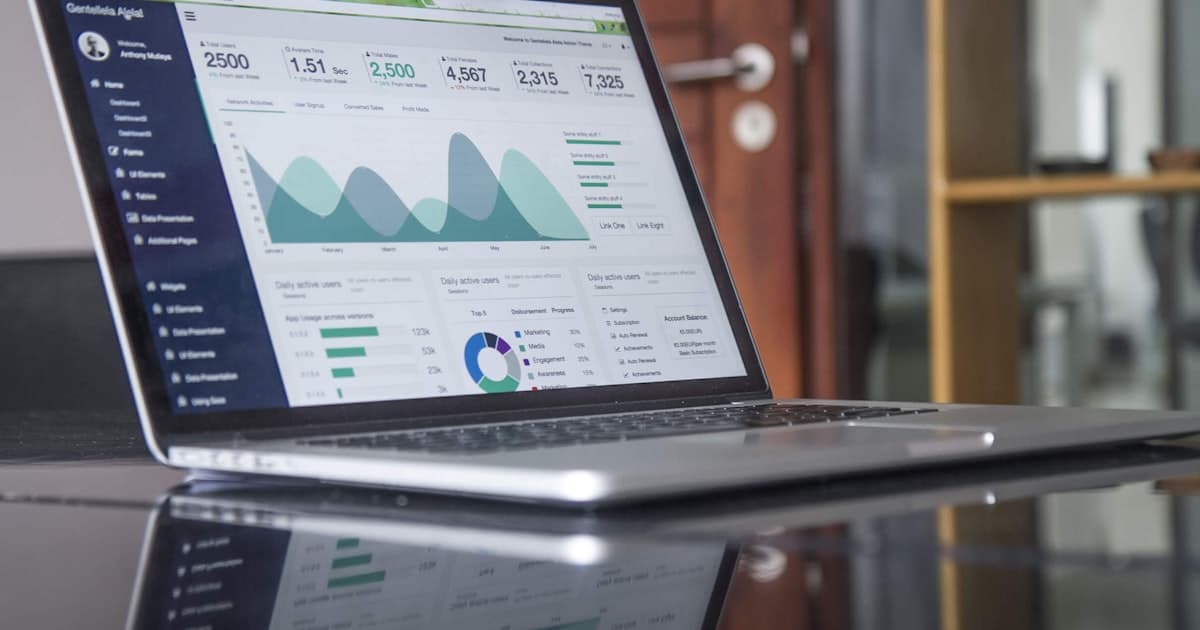
4. No real-time visibility into your own business
A spreadsheet tells you what was true when someone last updated it. It never tells you what is true right now. This matters when a customer asks if a product is in stock, when you are deciding whether to take on a large order, or when you need a fast answer about whether today is tracking ahead of or behind target.
5. No audit trail when things go wrong
Who changed that stock number? When? Why? Spreadsheets do not know. When a discrepancy appears — a payment that does not reconcile, a stock level that does not match the physical count — you have no mechanism to trace what happened, when it changed, or who made the change.
When Do Businesses Hit the Breaking Point?
The breaking point usually arrives at one of a few identifiable moments:
Hiring a third or fourth employee, when more people need to work from the same data simultaneously
Opening a second location, where separate spreadsheets create entirely separate realities
Tax season, when the numbers that should reconcile do not
Losing a sale because you believed you had stock you did not actually have
Spending an entire evening producing a report that a connected system would generate in thirty seconds
What a Connected Business Platform Looks Like
BizManager is built on a single foundational principle: every transaction — whether a POS sale, an invoice, a stock movement, an expense, or a payment received — happens once, in one place, and every module that needs to know about it knows automatically and immediately.
A sale through your POS simultaneously updates your inventory, creates a financial record, updates the customer's purchase history, and feeds into your live sales reporting. Nothing needs to be copied, reconciled, or re-entered. The data is simply there, accurate, across your whole business.
Inventory updates the moment a sale is processed or goods are received
Accounting posts journal entries automatically from invoices and payments
Reports are live — not a snapshot from last Tuesday that someone produced manually
Your entire team works from the same numbers at the same time
Nothing changes without a record of who changed it and when
The Migration Is Simpler Than You Think
The most common reason businesses remain on spreadsheets longer than they should is the fear of migrating. What if data is lost? What if it takes weeks of disruption? What if the team cannot learn a new system quickly enough?
BizManager is designed for import. Products, customers, and historical transaction data can be brought in via CSV. Most teams are fully operational within a day of starting the migration and completely up to speed within a week.
The time you invest in migration pays back within the first month. Often within the first week, once you experience what it means to have a live, accurate view of your business available at any moment without any manual effort.
Start Free
BizManager's Free plan includes POS, invoicing, and core inventory — everything you need to see what a connected operation looks like. No credit card required, no time limit on the free tier. If you are spending more than a couple of hours a week wrestling with spreadsheets, it is worth ten minutes to see the alternative.
More from the blog


Ready to run your business smarter?
Sales, inventory, invoicing, and accounting — all in one platform. Get started in minutes.